Liminal places where two complex systems meet, embrace one another, collide, and transform each other.
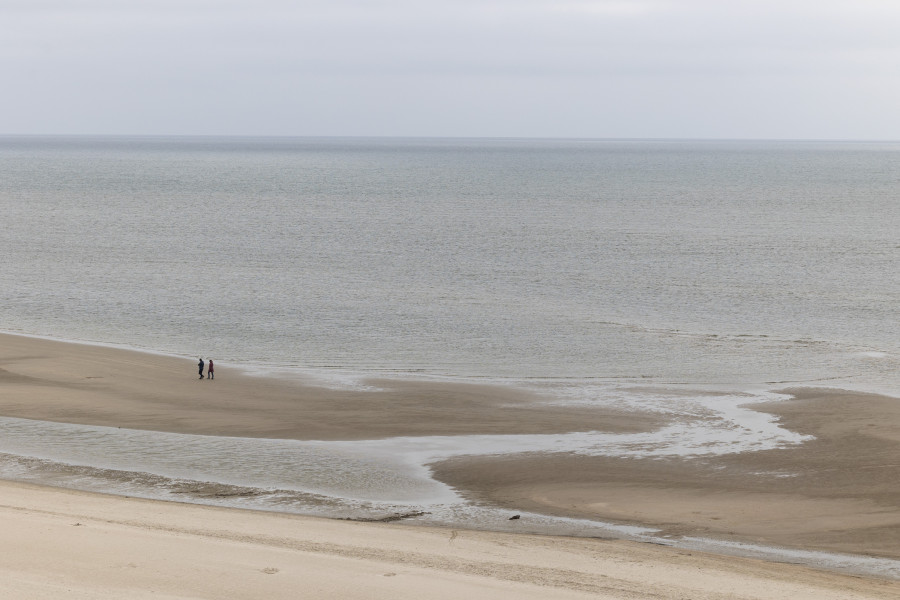
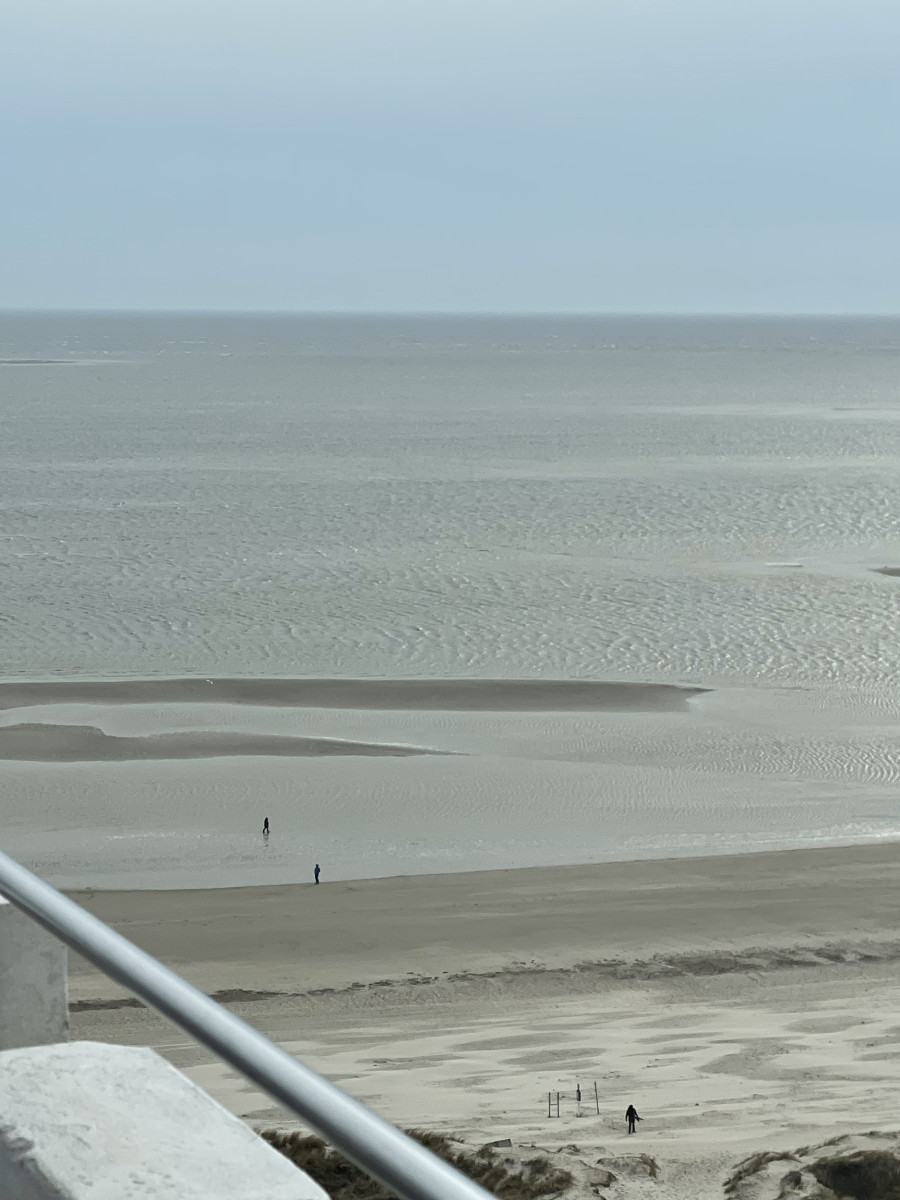
The tidal landscape is a place in constant motion. The water retreats and returns, the wind shifts direction, the sand moves, and the sounds change from moment to moment. Although the landscape may be recognisable, it is never the same.
In this landscape, a particular experience of cycles and change emerges. It invites us to sense without holding on, to be present within something that is constantly shifting and unfolding.
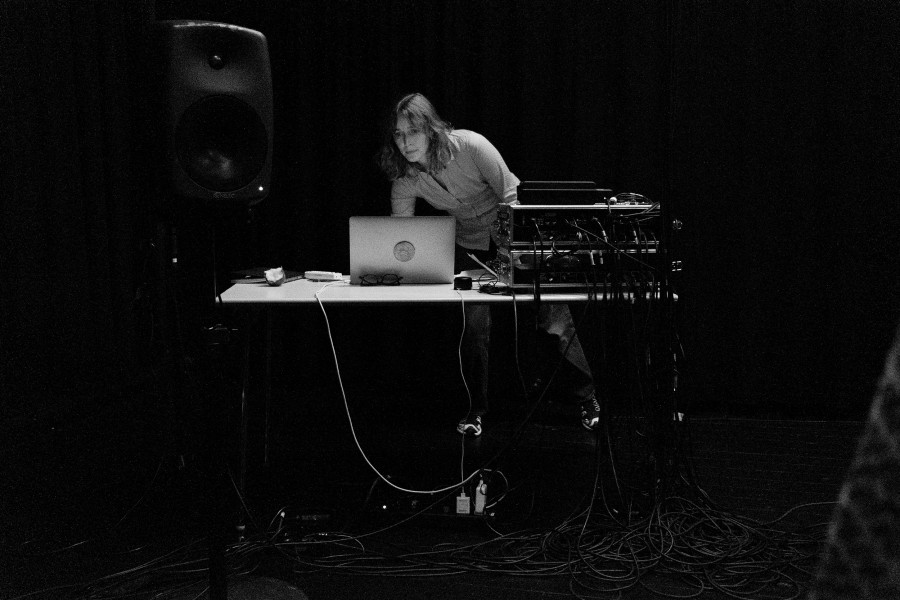
In the sound work Glemme, Frederikke Hooge captures the moods and movements of the Wadden Sea’s tidal landscape. The work invites audiences to experience the landscape through the body and the senses, and to feel the connection between human beings and the rhythms of the tides.
Glemme (Forget)
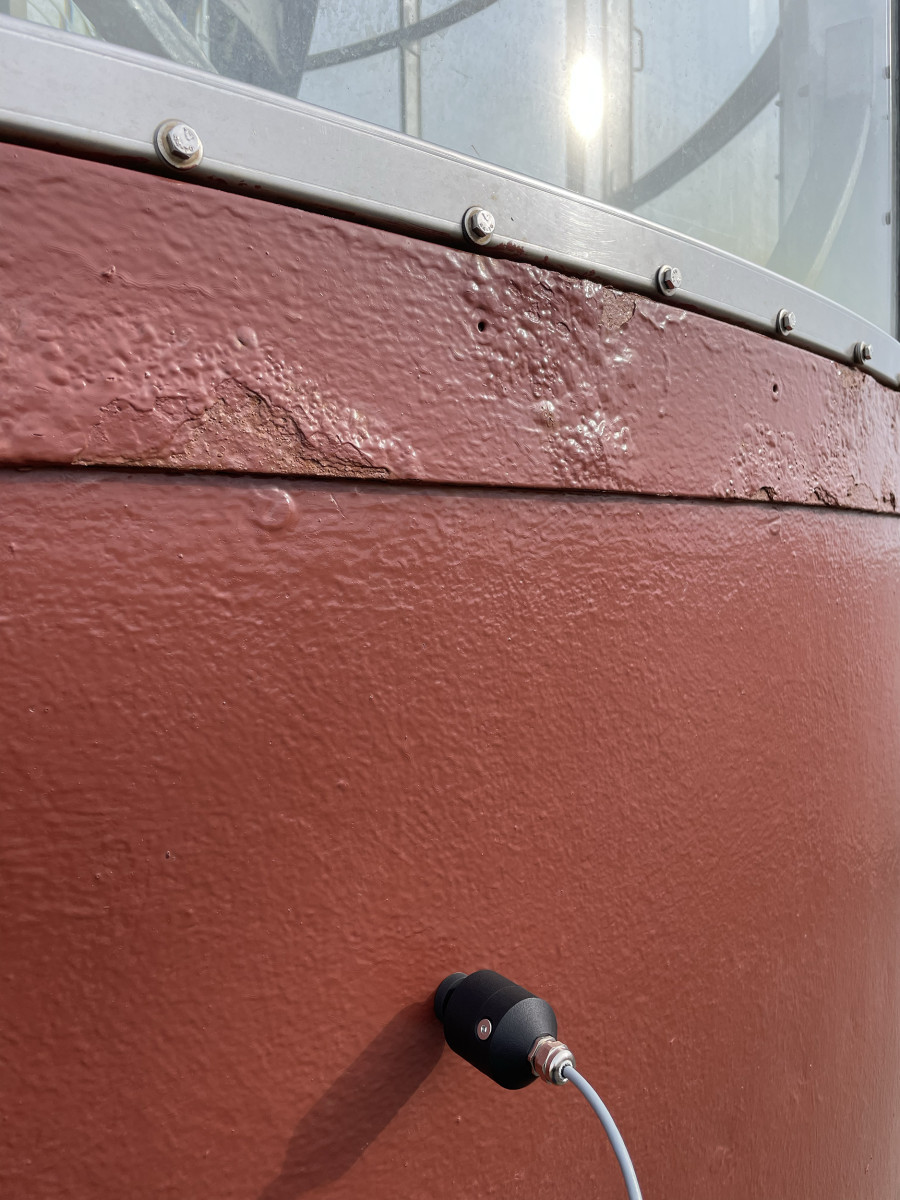
Glemme takes its point of departure in the tidal landscape of the Wadden Sea, unfolding as a sonic encounter between nature, the body, and technology. The work combines field recordings from Blåvand, Skallingen, Ho Bay, and the Varde River with recordings collected through David Garcia’s walking staff, alongside vocal and electronically processed sounds. Together, they create a hybrid soundscape in which the boundaries between the natural and the constructed begin to dissolve.
The work emerges from an embodied and sensory approach to sound recording, in which movement, touch, and presence become ways of listening to the landscape. Driven by a curiosity about the repetitions, transformations, and mythical forces of the tidal zone, the work invites the listener to explore a landscape that is constantly in motion.
Compositionally, the work follows the dynamics of the tide itself. It moves between structure and dissolution, between ebb and flow, between the cyclical and the unpredictable. Inspired by Astrida Neimanis’s concept of hydrofeminism, the work points to the human body as part of the same circulations and movements as water, and explores through sound our interconnectedness with the natural world.
INFO
The sound piece lasts approx. 12 mins.
The sound piece*Glemme* can be listened to via the website here. Sit down in the dunes, at the water’s edge or in the marsh, and let yourself be carried away by the sounds of the tidal landscape.
*Glemme* will be performed on the following dates:
22 August at 7.00 pm, Oksby Church
28 August at 5.30 pm, Oksby Church
12 September at 6.30 pm, Oksby Church
19 September at 4.00 pm, Varde Bio
BIO
Frederikke Hooge (b. 1994) is a sound and performance artist with a BA in Acting from the Norwegian Academy of Theatre. She is currently studying Electronic Music and Sound Art at the Danish National Academy of Music.
Her interdisciplinary practice is rooted in sound and theatre, creating site-specific works that move between the roles of artist, performer, and sound artist. Through sensing, movement, and listening, she explores humanity’s relationship with the surrounding world. In Glemme, this approach unfolds as a sonic exploration of the rhythms, transformations, and embodied experiences of the tidal landscape.